Major renovation of the National Archaeological Museum in Athens
One of the world’s most important collections of ancient Greek art is entering a new phase
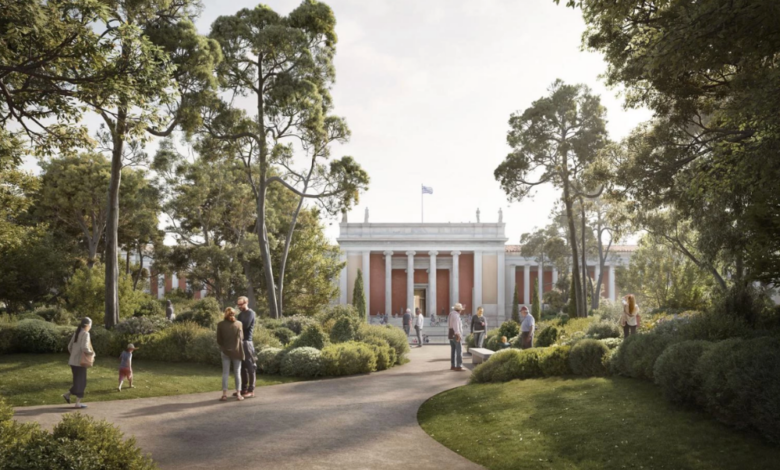
The cultural landscape of Athens is set for a major upgrade following the official approval of plans to expand and modernize the National Archaeological Museum of Athens, home to the richest collection of ancient Greek antiquities in the world.
Opened in 1889, the museum played a key role in shaping the city’s identity during the 19th century. Architects such as Ernst Ziller contributed to Athens’ recognizable neoclassical character through landmark public buildings.
Restoring the original vision with modern standards
Over the decades, the museum underwent multiple expansions, resulting in a mix of architectural styles that combine its original neoclassical design with later modern interventions.
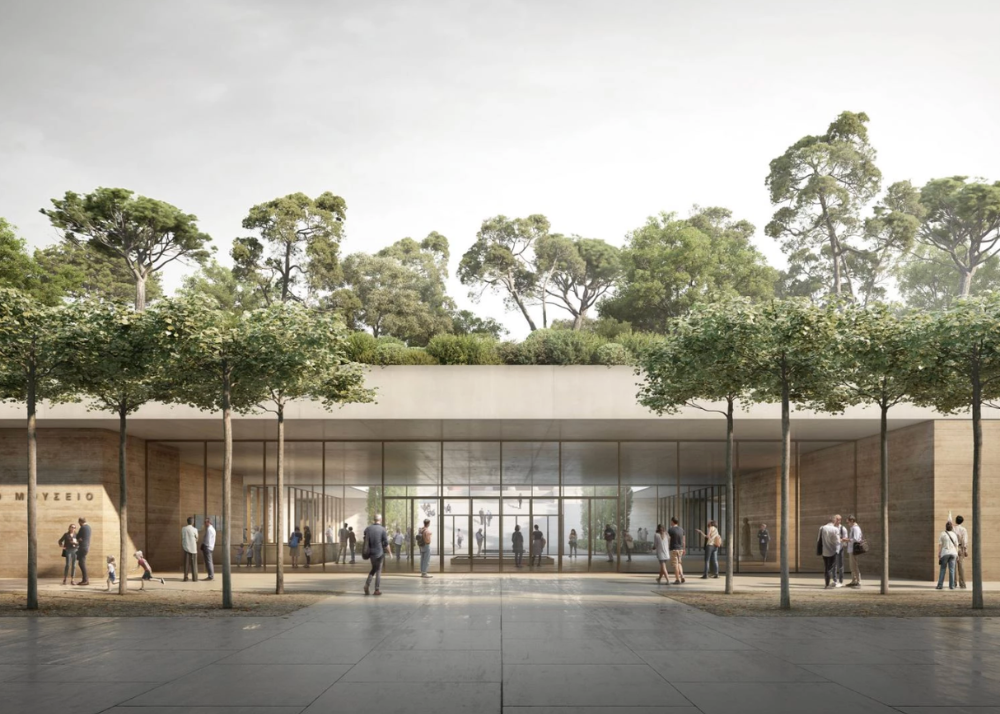
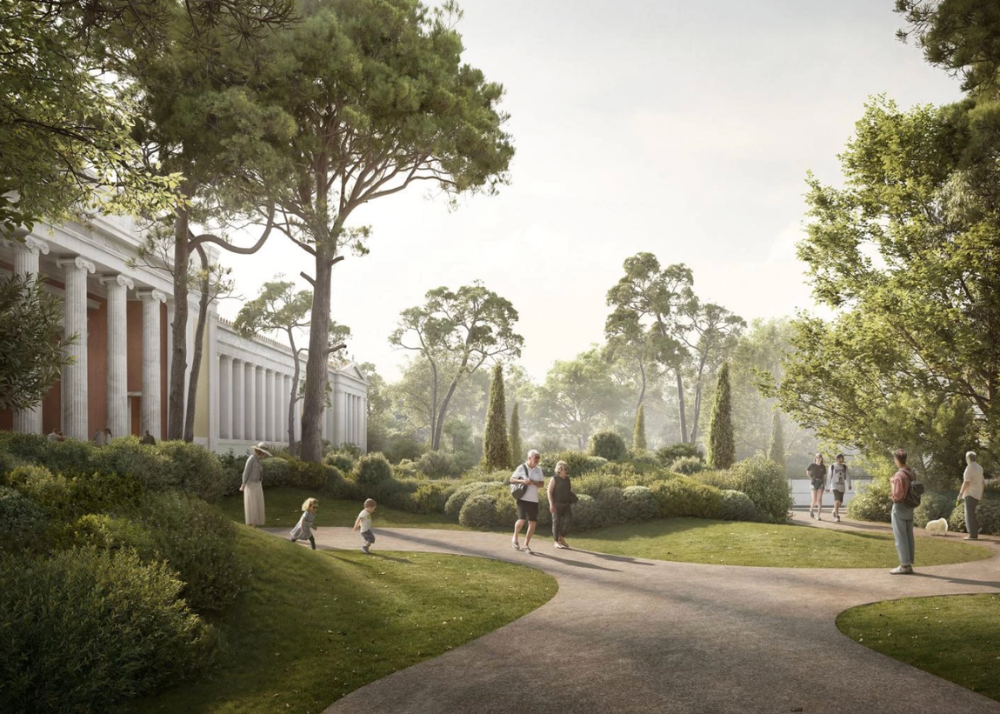
The new project aims to restore the building in line with its original vision while adapting it to contemporary museum standards. The redesign has been entrusted to Chipperfield-Tombazis, with a strong focus on improving visitor experience, accessibility, and sustainability.
According to Minister of Culture Lina Mendoni, the project represents a milestone, noting that Greece is finally getting the museum it deserves.
New exhibition concept and expanded content
The upgraded museum will feature a reorganized layout designed to enhance the visitor journey:
- two main thematic zones
- 13 exhibition units with multiple subthemes
- four exhibition levels, including two new and two historic spaces
An important addition is the integration of the Epigraphic Museum, which houses Greece’s most significant collection of ancient inscriptions, offering valuable insight into everyday life, governance, and law in antiquity.
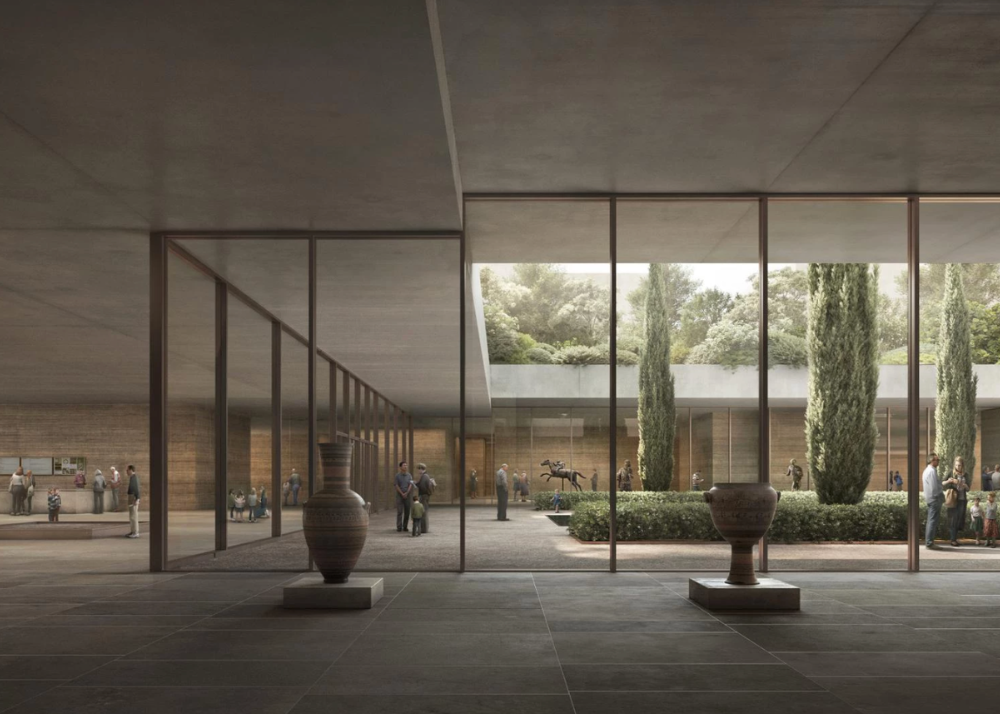
In total, more than 16,500 artifacts will be displayed, covering Greek civilization from the Neolithic, Cycladic, and Mycenaean periods to the Classical, Hellenistic, and Roman eras.
For more travel news click here.
Improved conditions for preservation and display
The renovation will address long-standing challenges and bring the museum up to modern, world-class standards.
For the first time, optimal environmental conditions will be fully ensured, including controlled temperature, humidity, and protection from sunlight—key factors for the preservation of ancient artifacts.
Impact on the city and surrounding areas
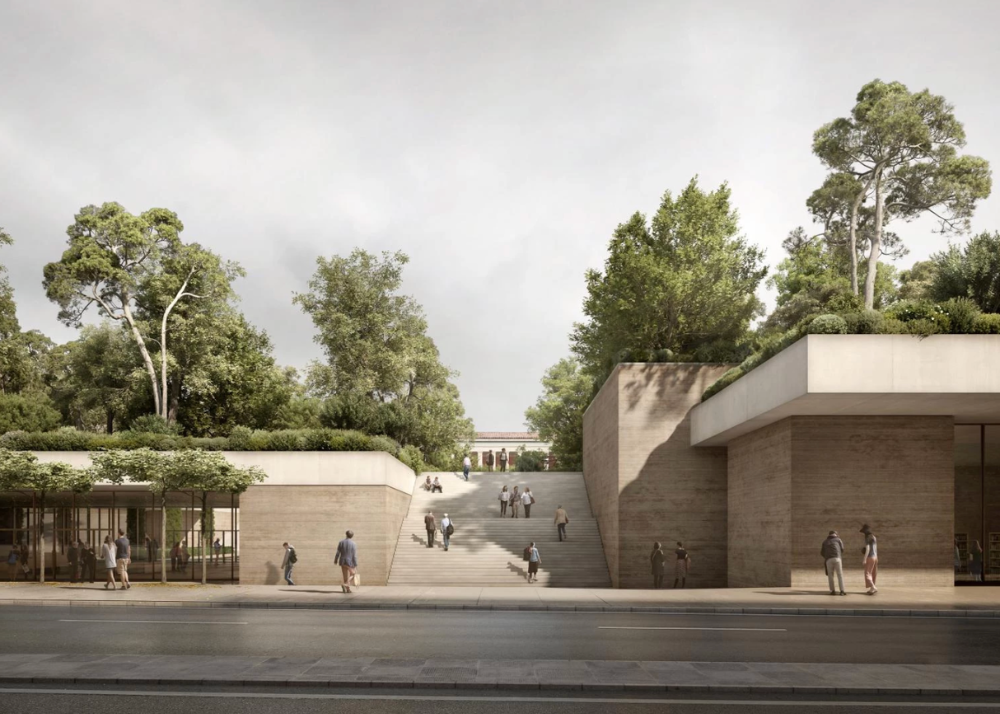
The revitalized museum is expected to act as a catalyst for the development of nearby neighborhoods such as Exarchia and Patission Street, one of the city’s main urban arteries.
Museum President Ioanna Dretta highlighted that the project aims to create a true cultural hub, opening the institution more fully to the everyday life of the city.
Timeline
Construction is expected to begin after the completion of the planning phase at the end of 2027, marking the start of a major transformation for one of Athens’ most important cultural institutions.
Follow us on Facebook and Instagram to stay up to date with the latest tourism news.